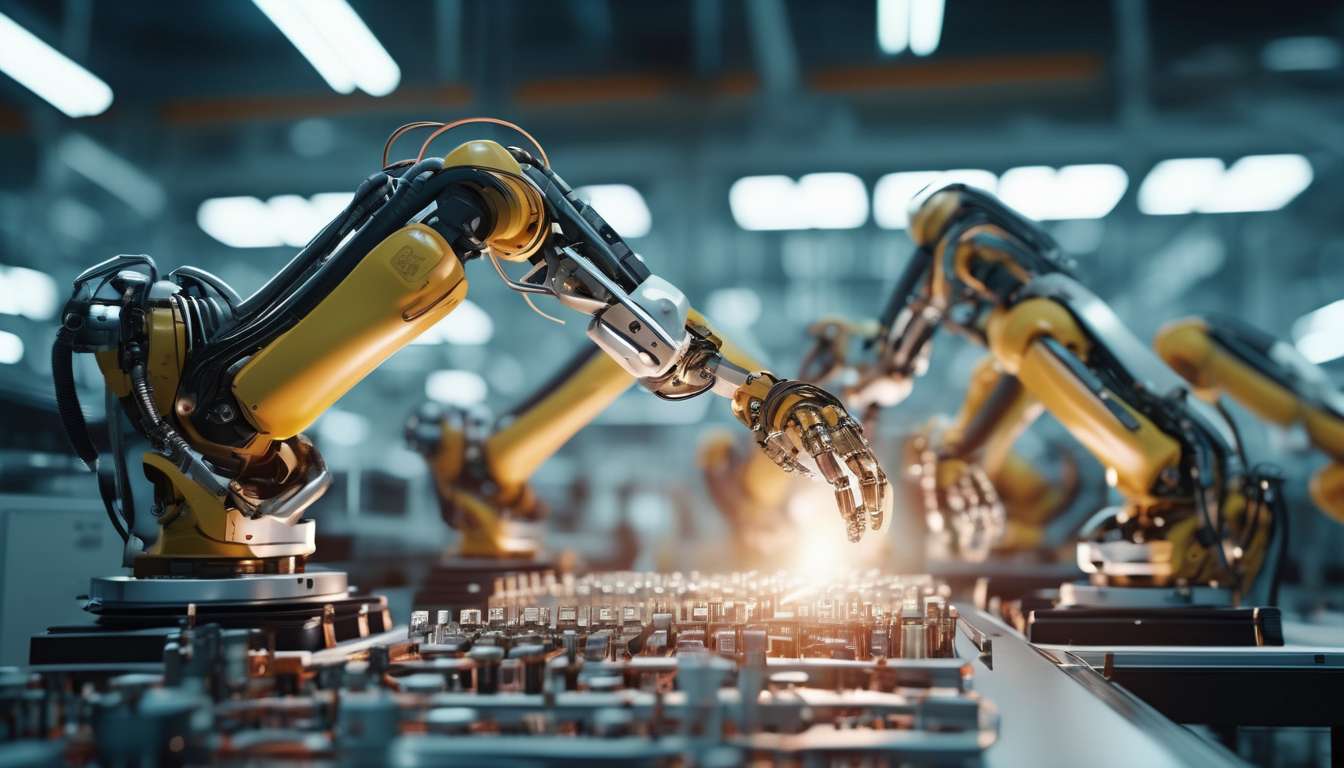
“Success in any endeavor is when preparation meets opportunity” is a guiding principle that holds significant relevance in the context of the evolving field of application technology for assembly systems.
Modern manufacturing environments increasingly rely on sophisticated application technologies to enhance efficiency and precision. As these technologies advance, the need for specialized experts becomes crucial to harness their full potential.
Experts in application technology bring a wealth of knowledge and technical skill, facilitating seamless integration and optimization of assembly systems. Their expertise ensures that systems operate at peak performance, which results in:
- Reduced downtime
- Enhanced product quality
The absence of such specialists can lead to several negative outcomes, including:
- Inefficiencies
- Increased operational costs
- Diminished competitive advantage in the market
Therefore, investing in technology experts is not merely a strategic choice but a necessary step to sustain growth and innovation in the intricate world of assembly systems. This underscores the critical role such expertise plays in shaping the future of manufacturing industries.
Partnering with Atlas Copco ITBA can provide the cutting-edge expertise needed to navigate and excel in the rapidly evolving landscape of application technology for assembly systems.
Importance of Technology Specialists
Technology specialists play a crucial role in optimizing assembly systems by ensuring the effective integration and operation of advanced technologies. Their expertise is vital in maintaining system efficiency, which is essential for companies aiming to stay competitive in rapidly evolving markets.
By harnessing innovative solutions, these specialists help organizations:
- Maximize productivity
- Minimize operational disruptions
The implementation of cutting-edge technologies, such as robotics and automation, demands not only technical knowledge but also strategic insight, both of which technology specialists provide.
Furthermore, technology specialists contribute to fostering an environment of continuous improvement and innovation within assembly systems. Their ability to adapt and implement new technologies ensures that systems remain at the forefront of industry standards.
As such, these specialists serve as the backbone of technological advancements, promoting a sense of unity and progress among team members. Organizations benefit significantly from their guidance, as the specialists’ proficiency and commitment to excellence drive the successful deployment of advanced technological solutions in assembly operations.
Impact on System Efficiency
Advanced assembly systems significantly enhance operational efficiency by integrating state-of-the-art technologies that streamline processes and reduce waste. This integration fosters an environment where technology specialists play a pivotal role, ensuring that these innovative solutions are effectively implemented and maintained. By leveraging their expertise, specialists contribute to optimizing system efficiency, which is crucial for industries striving to remain competitive and sustainable.
Innovation in application technology leads to better resource allocation and improved workflow management. The involvement of technology specialists ensures that cutting-edge solutions are tailored to specific operational needs, minimizing downtime and maximizing productivity.
As organizations increasingly rely on sophisticated assembly systems, the importance of skilled professionals in managing these technologies cannot be overstated.
The collaboration between technology specialists and assembly system operators forms a synergy that drives continuous improvement. This partnership not only enhances system efficiency but also creates a culture of innovation within the organization, fostering a sense of belonging among team members who are part of this transformative journey.
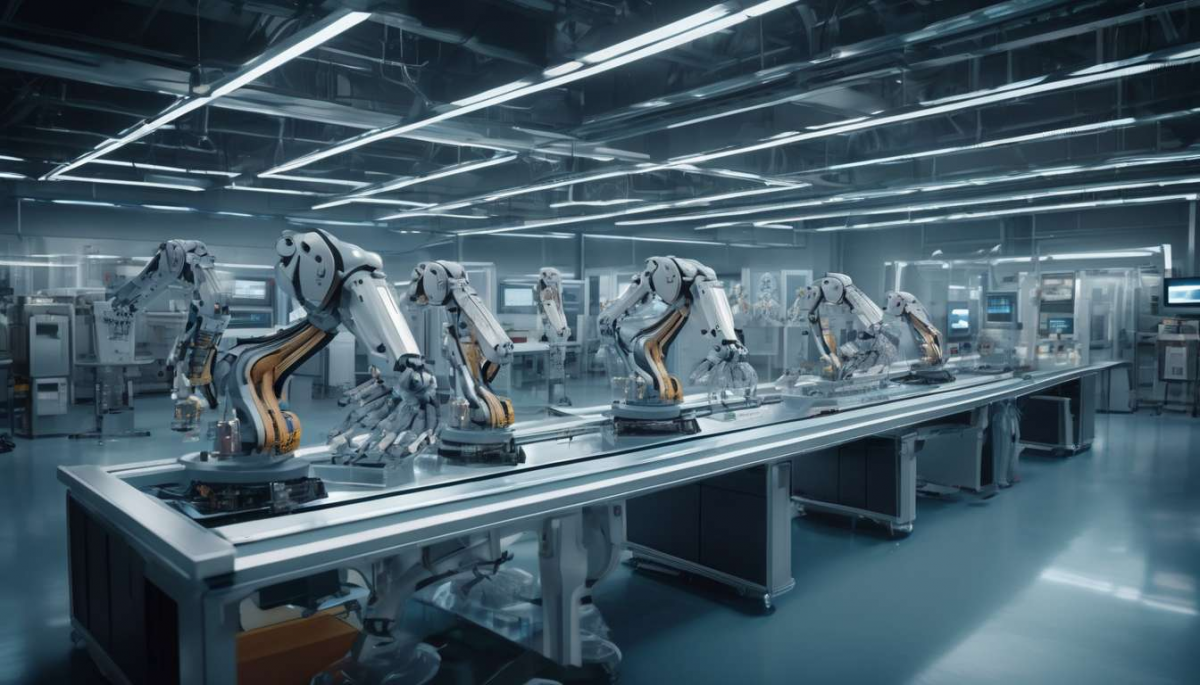
Ensuring Peak Performance
To ensure peak performance in advanced assembly systems, a proactive approach in monitoring and maintenance is essential. This approach helps identify and rectify potential issues before they escalate.
- Expertise of technology specialists is crucial.
- Specialists leverage their knowledge to enhance system efficiency.
- Continuous evaluation of system components is key.
These specialists play a crucial role in maintaining optimal functionality. Their insights contribute to the collective goal of innovation, fostering an environment where assembly systems operate at their highest potential.
The presence of technology specialists ensures that assembly systems are not only responsive to current demands but also adaptable to future advancements.
- Through meticulous attention to detail, specialists implement cutting-edge solutions to elevate system performance.
- Regular assessments enable early detection of inefficiencies.
- Timely interventions prevent costly disruptions.
The collaborative efforts of these specialists establish a culture of excellence, where every team member feels valued and integral to achieving shared objectives in system performance.
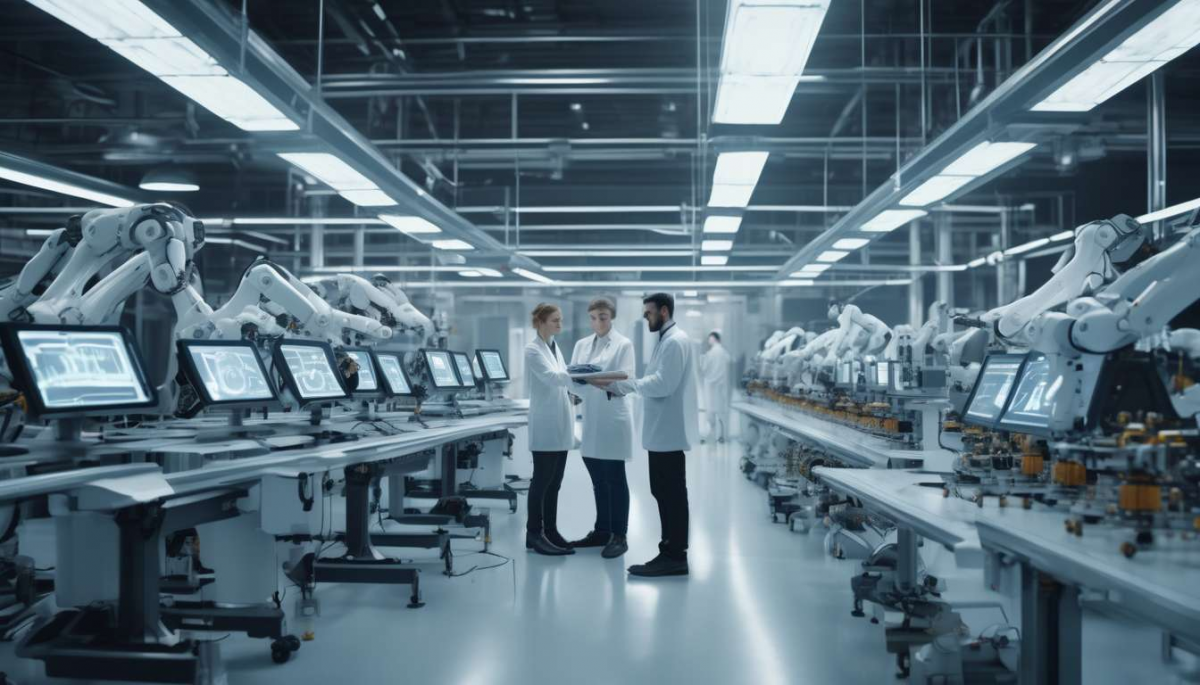
Consequences of Expertise Shortage
A shortage of skilled technology specialists can significantly hinder the performance and adaptability of assembly systems. The absence of such expertise leads to reduced system efficiency, as fewer qualified individuals are available to optimize and maintain the complex machinery and software. This gap in expertise can result in:
- Increased downtime
- Decreased productivity
These issues directly impact the overall operational flow.
Furthermore, without the contribution of technology specialists, innovation within assembly systems may be stifled. The lack of fresh insights and advanced problem-solving skills can prevent the implementation of cutting-edge solutions, leaving systems stagnant and unable to evolve with industry advancements.
The collaborative environment in assembly systems thrives on the shared knowledge and skills of its workforce. When expertise is lacking:
- The collective ability to drive forward-thinking initiatives and improvements diminishes.
- Morale is affected, as employees may feel unsupported or overwhelmed when facing technical challenges.
Therefore, addressing the shortage of technology specialists is crucial for maintaining system efficiency and fostering a culture of innovation.
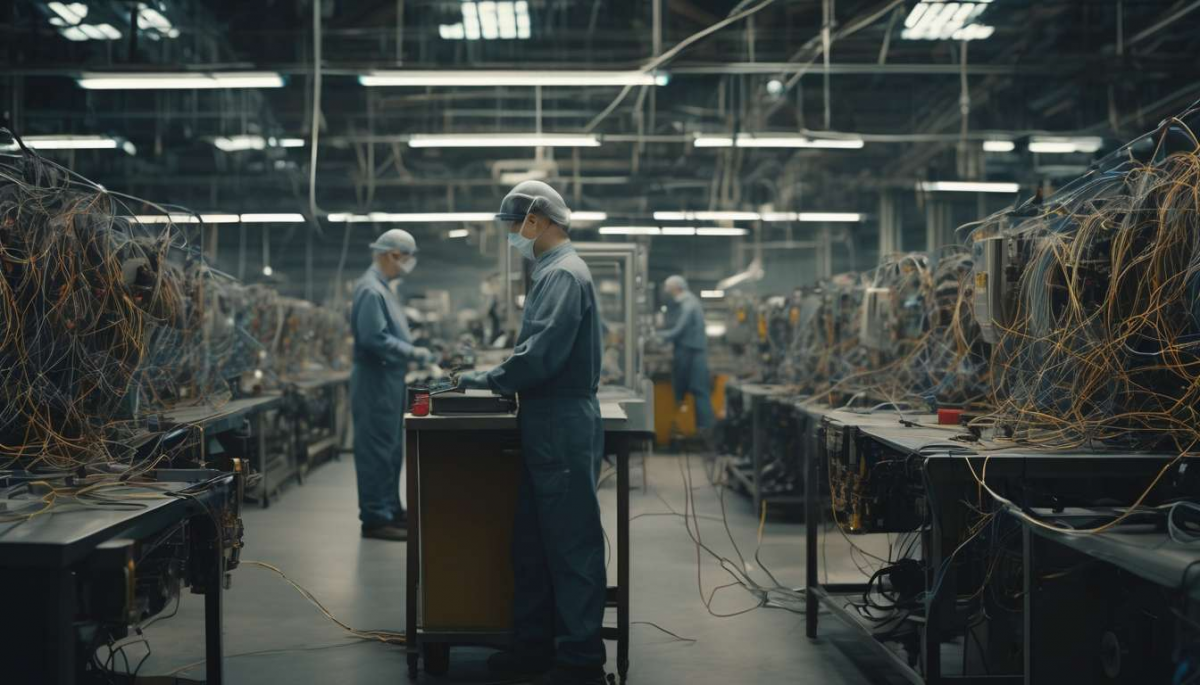
Cost and Competitive Implications
The shortage of skilled technology specialists can lead to increased operational costs and diminished competitive advantage for assembly systems.
This scarcity inflates labor expenses due to the necessity of:
- Hiring external consultants
- Providing extensive training for existing employees
Consequently, the efficiency of assembly systems may suffer as a lack of expertise can result in:
- Slower production processes
- Higher error rates
Without adept technology specialists, companies may struggle to implement cutting-edge solutions that optimize system efficiency.
In a rapidly evolving industry, innovation becomes a key driver for maintaining competitiveness.
The absence of proficient specialists hampers the ability to devise and apply innovative technologies, potentially causing businesses to lag behind competitors who successfully integrate advanced systems.
This situation emphasizes the importance of investing in human capital that can navigate and harness technological advancements.
For organizations seeking to foster a sense of belonging and shared success, addressing the gap in expertise ensures that they:
- Meet current demands
- Position themselves strategically for sustainable growth
Future Resilience and Innovation
Building future resilience and fostering innovation requires a strategic focus on integrating adaptive technologies and cultivating a skilled workforce.
In the realm of assembly systems, the pursuit of system efficiency becomes paramount. Technology specialists play a pivotal role in this endeavor by:
- Driving the adoption of cutting-edge solutions that streamline processes
- Enhancing productivity
- Ensuring seamless integration of innovative tools and methodologies
These experts contribute to a robust framework capable of withstanding market fluctuations and operational challenges.
Investment in continuous education and training programs is essential to equip the workforce with the necessary skills to navigate technological advancements. This commitment:
- Fosters a culture of innovation
- Ensures that assembly systems remain competitive in a rapidly evolving landscape
Collaborative efforts among industry stakeholders further enhance the potential for groundbreaking developments, creating a sense of community and shared purpose.
Ultimately, a strategic approach to resilience and innovation positions assembly systems to thrive in an ever-changing environment, delivering sustainable growth and success.